
Reviewed · SAN JOSé DEL CABO TOURS
Los Cabos Turtle Release Eco-Experience
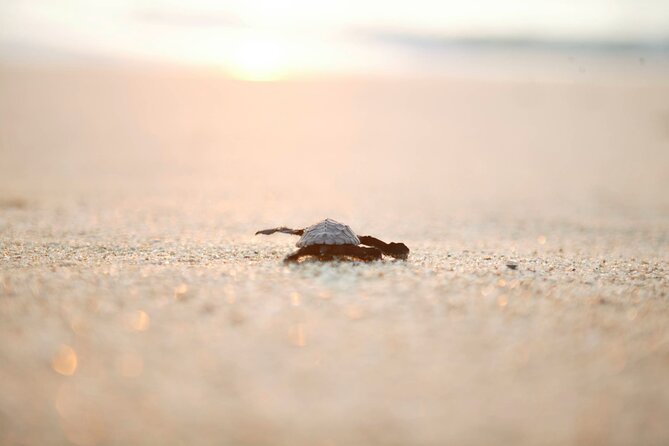
Tiny sea turtles scramble toward the surf while you help steer them past birds, crabs, and the rough edge of the beach. This hands-on release is the heart of the Los Cabos Turtle Release Eco-Experience, and it turns a short beach outing into a lesson about survival.
I like the careful environmental briefing and the easy hotel or port pickup. I also like that your $95 fee includes an adoption certificate and helps support a local conservation effort. The main caution is that this is a nature activity, not a polished show: the release depends on hatchlings and weather, and gulls may take some turtles.
Key details before you book
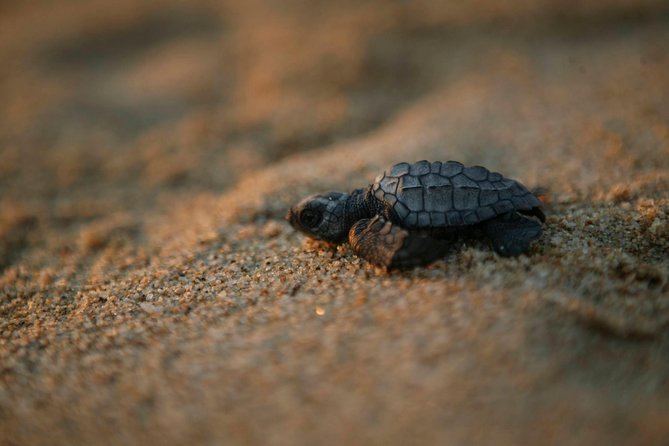
- Release newborn turtles at dusk: You may gently hold hatchlings and help guide them toward the sea.
- Beach location can change: The activity may take place from La Bocana to Costa Azul beach in the San José del Cabo area.
- Guides explain the biology: English-speaking guides cover turtle behavior, hatching, threats, and the conservation work behind the release.
- Pickup keeps things simple: Hotel and port transfers are included, with the exact time confirmed according to your location.
- Expect a small-group setting: The maximum is 20 people, though the experience may be much smaller.
- Plan for a real beach: You need to bend, balance, move promptly, and follow handling rules around waves and uneven sand.
Helping hatchlings reach the Pacific
The turtles are the stars here, but the setting matters just as much. You meet at Paseo Malecón San José, or receive a pickup from your hotel lobby or port, then head to a beach in the San José del Cabo area. The exact beach may be La Bocana, Costa Azul, or another suitable stretch of shore.
The activity begins at about 4:00 p.m. That timing places the release later in the day, when the beach is less harsh than at midday. It also gives you the changing light that makes the short walk to the water feel special without turning the outing into a long excursion.
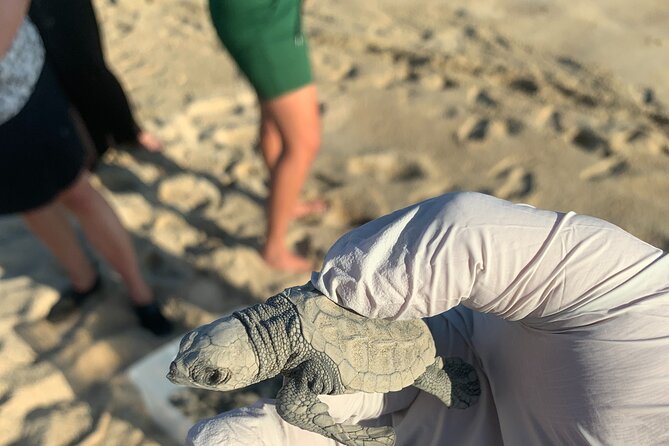
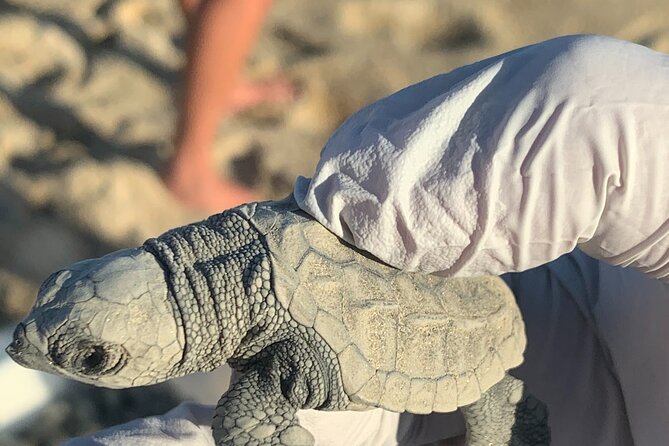
Your guide begins with instructions. Listen closely. The rules are not fussing for its own sake. Hatchlings are delicate, and the release only works when people keep their movements calm and controlled. You may wear gloves, gently hold a turtle, and turn one around if it starts in the wrong direction. The goal is to help without treating the animals like souvenirs.
Some outings have included only a handful of paying participants, while the group has released dozens or even around 150 hatchlings together. Your adoption certificate is for one turtle, but you may help release many more, depending on the number of hatchlings ready that evening.
That difference matters. If you expect a private encounter with one turtle, you may find the event more communal than personal. If you see the release as a chance to support a wider conservation effort, the scale makes more sense.
More days out around San Jose del Cabo:
- Cabo Beach Camel Ride, Mexican Buffet and Tequila Tasting
★ 5.0 · 8,815 reviews - 4×4 ATV Adventure with Tequila Tasting and Mexican Buffet Lunch
★ 5.0 · 5,177 reviews - Los Cabos Luxury Sailing, Snorkel and Lunch Cruise
★ 5.0 · 3,515 reviews
What the conservation lesson adds
The strongest part of the experience is not simply holding a baby turtle. It is learning why the hatchlings need help in the first place.
The guides explain turtle biology and behavior, along with the work done to protect nests. In some cases, eggs are moved into protected nests after people watch for nesting females. This protects them from people and animals before hatching. Once the young turtles emerge, they still face the hazards of the open beach and shallow water.
The survival lesson can be sobering. One guide explains that only a small number of hatchlings survive in the wild. The odds are part of the experience, not a reason to hide the difficult parts. You may see gulls overhead, and some turtles can be taken before reaching the waves. That is nature, and families with young children should prepare for that possibility.
One visitor specifically found the conservation explanation too brief, so expectations matter. The guide provides environmental commentary, but the amount of detail may depend on the person leading your group. Guides identified in the feedback include Marcos, Lino, and John Percy, all described as patient or informative in their own ways. Still, if you want a long scientific lecture, this is not a research seminar. It is a practical beach program with an educational component.
I would ask questions during the briefing. Ask about the nesting program, the species being released, and how the organization protects eggs. The guides are there to explain, and your questions can make the short program feel much more substantial.
The beach is part of the challenge
Do not picture a flat, easy walkway leading to a calm lagoon. Los Cabos beaches can be rough underfoot, and the water may be turbulent. You must be able to walk over changing sand, bend down to release a turtle, and keep your balance near the surf.
This is why the experience suits mobile adults and older children best. A child must follow instructions and handle a small creature gently. One family found the activity memorable for a four-year-old, while another specifically recommended it for older children who can manage the rules. For very young children, the gulls and the circle-of-life lesson may be hard to handle.
Wear practical clothing and shoes suited to sand and water. The supplied information does not specify a required dress code, but the physical demands are clear. You should be ready for wet feet, uneven ground, and a quick response if the surf shifts.
The beach location can change from La Bocana to Costa Azul. That flexibility is useful because the release needs suitable conditions and access to the water. It also means you should not book this expecting one fixed postcard location.
A small group, with a public beach audience
The maximum group size is 20 people. That limit is reasonable for an activity where everyone needs a clear briefing and a chance to participate. Groups may be much smaller, and one outing had only five paying participants.
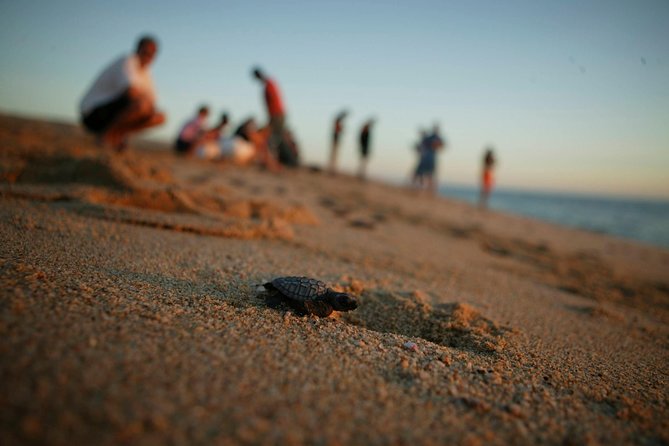
You should also know that the release may draw people who are not part of the booking. Resorts near the beach can bring a crowd, especially when a group starts releasing turtles. Guides may walk farther along the beach to create more space, but you could still have 20 to 30 onlookers nearby.
That does not ruin the experience, but it changes the mood. This is not guaranteed solitude. You may have strangers watching, taking photos, or gathering around the release. The upside is that the activity raises public interest in turtle protection. The downside is that the event can feel less quiet and private than the word eco-experience suggests.
Your guide’s manner matters here. Calm, attentive leaders help keep the paying group focused and make sure everyone has a turn. Several guides have been praised for patience when other people wanted to join in without booking. That is useful on a popular beach, where clear boundaries and gentle instructions keep the moment organized.
A completely different kind of day out around San Jose del Cabo:
- ATV Tour, Camel Ride, Tequila Tasting and Mexican Buffet Lunch
★ 5.0 · 3,380 reviews - Los Cabos Luxury Sunset Sail with Light Appetizers and Open Bar
★ 5.0 · 2,267 reviews - Luxury Catamaran Whale Watching Cabo San Lucas
★ 5.0 · 2,107 reviews - OffRoad 4X4 UTV Adventure with unlimited Lunch & Tequila
★ 5.0 · 1,870 reviews
Pickup, timing, and the value of $95
At $95 per person, this is not the cheapest way to spend two hours in Cabo. You are paying for more than transportation to a beach, though. The fee includes a professional English-speaking guide, hotel or port pickup and drop-off, bottled water, and an adoption certificate.
The transfers are especially helpful if you are staying outside central San José del Cabo or arriving by cruise ship. Pickup begins at your hotel lobby or a designated port location, and the precise time depends on where you are staying. You receive the transportation details separately through the booking messages.
The advertised duration is about two to three hours, including transfers. The actual beach portion can be much shorter. One outing finished the release in about 45 minutes, while another included a visit to the protected nesting area before heading to the beach. The number of hatchlings, the group size, traffic, and the day’s conditions all affect the schedule.
That shorter active portion is the main value question. If you want a full afternoon of activities, $95 may feel high. If you value hotel transport, an informed guide, and a rare conservation encounter, the price is easier to justify. The adoption certificate is a pleasant keepsake, but the real value is the access to a managed release and the support for the conservation program.
Bring your own meal if needed. No food is included, and the activity is not presented as a dining tour. Bottled water is provided, which is welcome in the Cabo heat.
Weather and turtle availability can change the plan
This activity depends on favorable weather and on having turtles ready for release. That is not a flaw. A responsible program should not force a release when conditions are unsafe or when there are no hatchlings available.
Poor weather can lead to a new date or a full refund. The same options apply if the minimum number of participants is not met. You should keep some flexibility in your itinerary, especially if this is one of the main reasons you came to Cabo.
The release itself is also not perfectly predictable. Some evenings may involve a small batch of hatchlings, while others may have many more. You cannot be promised a certain number of turtles or a fixed beach. Book this because you want to take part in a real conservation activity, not because you expect a staged animal encounter on a precise schedule.
One practical warning comes from scheduling. Confirm your pickup details carefully, particularly if you are visiting by cruise ship or changing hotels. A reported booking problem led to a missed tour and a difficult refund process. That appears to be an exception, but it is a good reason to check the date, port, pickup point, and local start time as soon as your confirmation arrives.
How the release feels in practice
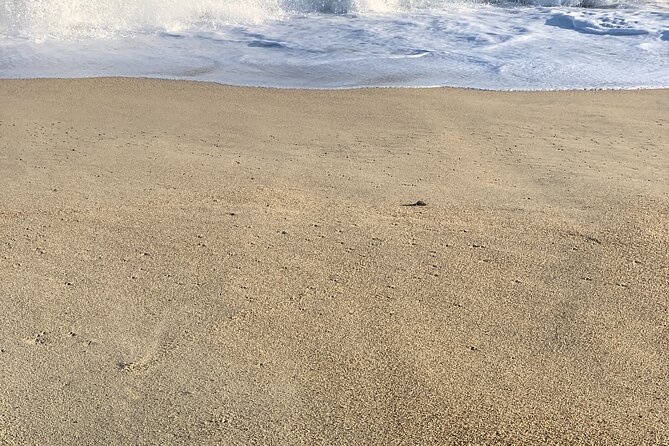
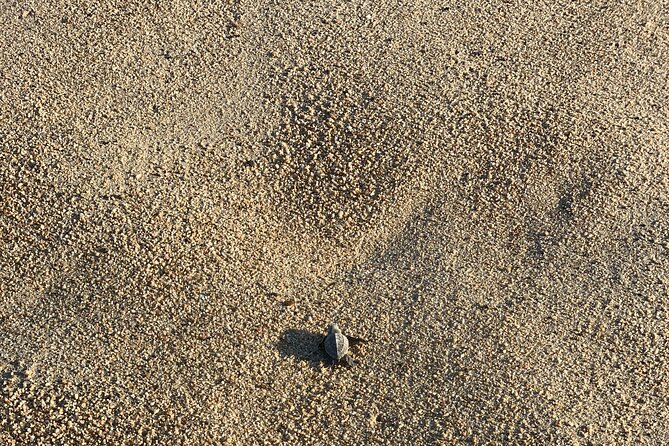
The most moving moment comes when the hatchlings reach the wet sand and begin working toward the water. They are tiny, determined, and surprisingly active. Your job is simple but meaningful: hold them correctly, keep them pointed toward the surf, and avoid interfering once they can make their own way.
You may help turn a turtle that wanders in the wrong direction. You may also watch the group protect hatchlings from gulls overhead. This gives the activity real tension. The sea is not a guaranteed safe ending, and the guide does not pretend otherwise.
Some hatchlings may be lost to birds. If that would upset you or your child, think carefully before booking. If you can accept the full natural process, the sight of most turtles making it to the water becomes more powerful, not less.
The adoption certificate gives you a physical reminder of the event. It does not mean you personally track one turtle through its life. It marks your support for one hatchling and the conservation program, so keep your expectations clear.
Who will enjoy this most

I would recommend this outing to:
- Families with children old enough to follow careful instructions
- Couples looking for a nature-based activity rather than a party excursion
- Solo visitors who enjoy environmental education
- Cruise passengers who want port pickup and a short, focused outing
- Anyone comfortable with sand, surf, bending, and changing terrain
I would think twice if you need a fully accessible beach activity, a guaranteed private setting, or a long guided program. The supplied information says most people can participate, but it does not promise specialized accessibility arrangements. The beach itself may be difficult for anyone with limited mobility.
The activity works especially well for people who want their vacation spending to support something local and practical. You are not simply watching wildlife from a boat. You are taking part in a supervised release and hearing how people protect nests and improve the hatchlings’ first journey.
Should you book the Los Cabos turtle release?
I would book it if the turtles are available during your dates and you can accept the natural uncertainty. The experience has earned a 4.7 rating, with 92 percent of people recommending it, and the strongest praise focuses on the guides, the easy pickup, the conservation message, and the emotional impact of releasing hatchlings.
Book early if this is important to you. It is often reserved well ahead, with an average booking lead time of about 43 days, and the activity can fill quickly. Choose a date with room for weather changes, confirm your pickup details, and prepare children for the possibility that gulls may take some turtles.
At its best, this is a short, memorable, slightly messy encounter with nature. You get wet, walk on uneven sand, follow strict handling rules, and watch the circle of life unfold. For a family, couple, or nature-minded solo visitor, that honesty is exactly what makes the experience worth the $95.
FAQ
Where does the turtle release take place?
It takes place on beaches in the San José del Cabo area. The location may vary from La Bocana to Costa Azul beach.
What time does the experience start?
The listed start time is 4:00 p.m. Your pickup time may vary based on your hotel or port location.
How long does the activity last?
The approximate total duration is two to three hours. Transfer times vary with traffic and the time of day, and the beach release itself may be shorter.
Is hotel pickup included?
Yes. Pickup and drop-off are offered from your hotel lobby, with a designated time based on your location.
Is port pickup available?
Yes. Hotel and port pickup and drop-off are included. Transportation details are sent separately through Viator messages.
What is included in the price?
The price includes a professional guide, hotel or port pickup and drop-off, bottled water, and an adoption certificate.
Is food included?
No. Meals and other food are not included in the tour price.
Is the tour offered in English?
Yes. The experience is offered in English.
What happens if the weather is poor?
If poor weather causes cancellation, you will be offered an alternative date or a full refund. You can also cancel for a full refund if you cancel at least 24 hours before the start time.
Newest San Jose del Cabo trips we have written up
- Whale Watching in San Jose del Cabo★ 5.0 · 3 reviews
- unforgettable snorkeling activity in The Sea of Cortes★ 5.0 · 4 reviews
- Cooking classes + margaritas and mezcal tasting★ 4.5 · 29 reviews
- services transportation, airport transportation in los cabos, Private shuttles★ 4.5 · 14 reviews
- “Round Trip Airport Shuttle – San José del Cabo Hotel Zone”★ 5.0 · 4 reviews
- Ziplines and Rappelling at Costa Azul★ 5.0 · 24 reviews
- Zip Line Adventure in Los Cabos★ 5.0 · 5 reviews
- 120 Min Surf Lesson / Great for All Levels★ 5.0 · 8 reviews
San José del Cabo Tours, compared.

Cabo Beach Camel Ride, Mexican Buffet and Tequila Tasting
Read our review →
4×4 ATV Adventure with Tequila Tasting and Mexican Buffet Lunch
Read our review →
Los Cabos Luxury Sailing, Snorkel and Lunch Cruise
Read our review →
ATV Tour, Camel Ride, Tequila Tasting and Mexican Buffet Lunch
Read our review →
Los Cabos Luxury Sunset Sail with Light Appetizers and Open Bar
Read our review →
Luxury Catamaran Whale Watching Cabo San Lucas
Read our review →
OffRoad 4X4 UTV Adventure with unlimited Lunch & Tequila
Read our review →
Los Cabos Shuttle Airport Roundtrip Transfers
Read our review →Browse the lists this tour appears in