
Reviewed · CABO SCUBA DIVING
Los Cabos Open Water Diver Course
The best part of this three-day SSI course is its steady pace. You learn the basic skills in a relaxed setting, practice them in confined water, then use them during open-water sessions in the Sea of Cortez. Instructors including Camila, Rogelio, Armando, and Angelo are praised for patience and clear explanations.
I like that equipment, study materials, snacks, water, and four training sessions are included, so you do not need to assemble the course piece by piece. I also like the small maximum group size of four, which gives a nervous beginner a better chance to receive personal help. The catch is that you need moderate physical fitness, and the $5 dock fee plus $8 park fee must be paid in cash.
Key points to know before booking
- Three days of instruction: Expect video lessons, theory, practical training, and open-water work rather than a quick introductory outing.
- Four total training sessions: The course includes one confined-water session and three open-water sessions in different locations.
- SSI certification: Passing the course gives you an internationally recognized entry-level qualification for scuba use down to 18 meters.
- Small groups: The maximum is four participants, useful if you want close attention during skill practice.
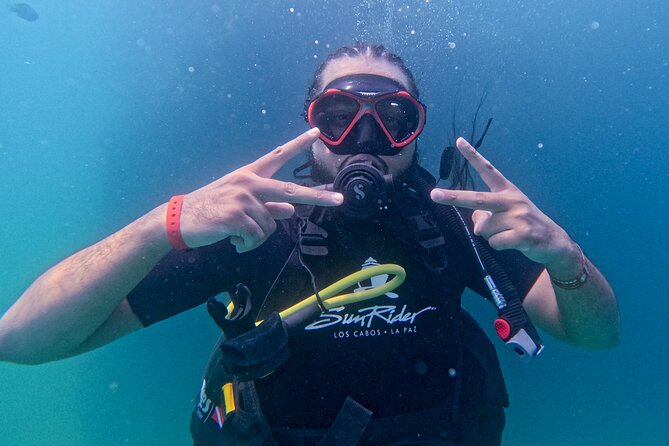
- Patient named instructors: Camila, Rogelio, Armando, and Angelo have each been praised for calm, thorough instruction.
- Bring cash: The $5 dock fee and $8 park access fee are not included in the $555 price.
Learning to breathe underwater in Cabo San Lucas
This is not a rushed try-it-once boat trip. The course is designed to take you from basic theory to a recognized SSI Open Water Diver certification, the first level of professional scuba training listed for this experience.
That structure matters. You first learn how the equipment works and what to do underwater. Then you practice the required skills before heading into the Sea of Cortez. For someone who feels uncertain about breathing through a regulator or managing equipment, the extra time can make the experience far less intimidating.
The course takes place through Scubaja, the diving center associated with Sunrider Tours. SSI-certified instructors guide you through video presentations, classroom-style theory, practical lessons, and water sessions. The mood is intended to be relaxed, but you still need to take the training seriously. Certification means you have met the required skills, not simply that you have spent time in the water.
The course is priced at $555 per person. That is not a budget half-day activity, but it includes the core pieces that often add cost elsewhere: instruction, study material, scuba equipment, four sessions, snacks, fresh fruit, cookies, and bottled water. The $13 in separate cash fees is easy to overlook, so add it to your budget before you book.
More dive trips in Cabo San Lucas:
- 2-Tank Scuba Dive in Cabo San Lucas Reserve for Certified Divers
★ 5.0 · 263 reviews - Beginner Scuba Diving in Cabo San Lucas
★ 5.0 · 247 reviews - Private Dive Boat for Certified Divers – Cabo San Lucas
★ 5.0 · 210 reviews
Day one: theory, video, and confined-water practice
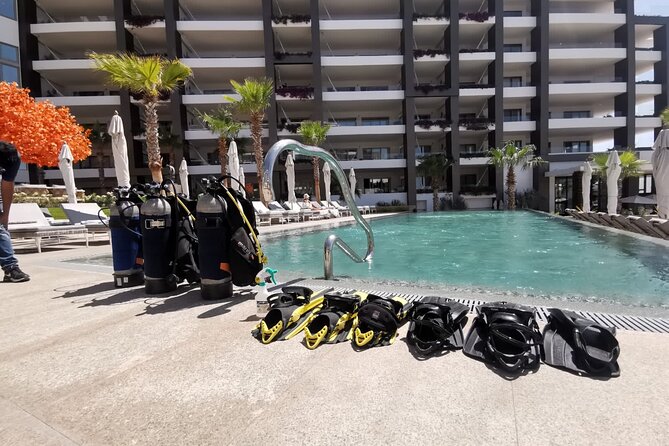
Your first day is likely to focus on getting comfortable with the equipment and learning the basic rules of scuba. The listed course format includes video presentations, theory, and practical lessons, though the exact order can depend on the instructor and conditions.
This first stage is where a patient teacher makes a real difference. Angelo is described as thorough and calm when explaining skill tests. Camila helped a nervous 13-year-old student gain confidence, while Armando was praised for practicing skills with patience and making the student feel safe.
Those details are useful if you are anxious. You will not be expected to simply pick up a tank and head into the sea without preparation. The confined-water session gives you a controlled place to practice key skills before you deal with open-water conditions.
The course includes four sessions in total, one in confined water and three in open water. Confined water is especially valuable because it lets you focus on breathing, equipment handling, and basic responses without the added demands of a boat outing or changing sea conditions.
You should plan to listen carefully, ask questions, and avoid treating the theory portion as a formality. The skills you practice are the foundation of every later scuba outing. If you already have experience, this material may feel slow. For a first-time student, that slower pace is the point.
Open-water sessions in the Sea of Cortez
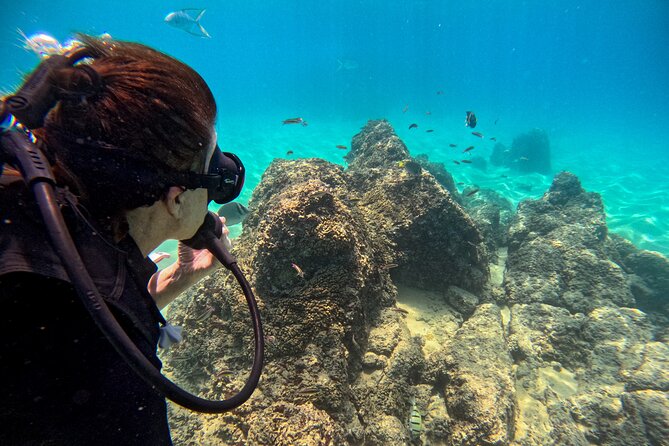
After the initial training, you move into open water. The course description places these sessions at different locations, including the Sea of Cortez, allowing you to apply the skills in a real marine setting.
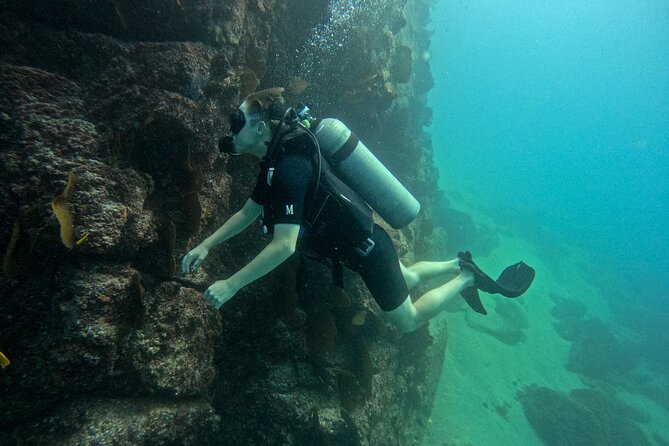
The open-water portion is where the course becomes more than a classroom qualification. You are learning to control your breathing, monitor yourself, work with your instructor, and stay composed while seeing marine life around you. Each session can feel different because water conditions and the setting change.
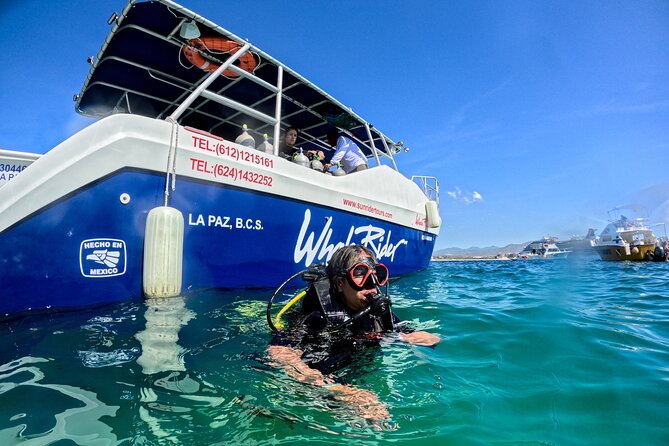
Pelican Rock is specifically mentioned in connection with one outing. It can be a busy area for boats, so good surface awareness and careful boat handling matter. Captain Jaime was praised for helping keep the group safe around heavy boat traffic, an important detail for anyone who feels uneasy near busy water.
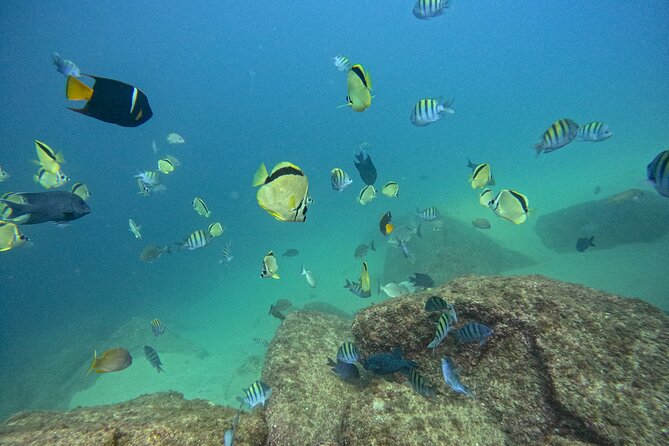
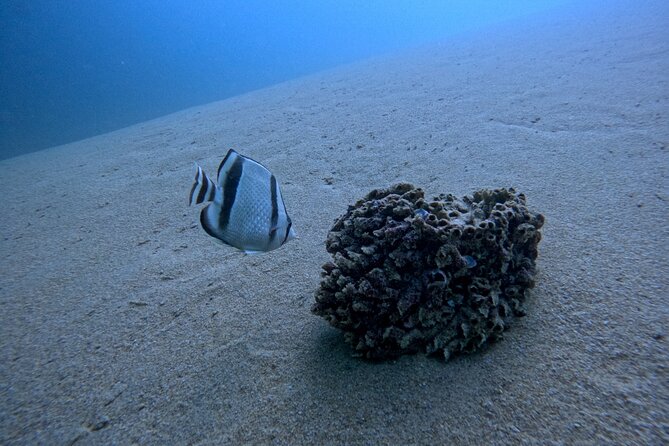
The open-water sessions may also include plenty of fish life. One outing produced a first sighting of a guitarfish for two experienced scuba users, which gives you an idea of the marine variety you might encounter. Wildlife is never guaranteed, however, and you should book this course for the training and certification first, with sea life as a welcome bonus.
The course information describes three open-water sessions, while the inclusion list says four total sessions with one in confined water. Read those together as one confined-water session plus three open-water sessions. The schedule is spread across about three days, giving you time to build confidence rather than trying to complete everything in one long day.
What makes the instruction useful for beginners
A first scuba course can be stressful for reasons that have little to do with the water. New equipment feels bulky. Breathing through a regulator is unfamiliar. A student may worry about remembering every skill in the correct order.
That is why the instructor’s manner matters as much as the setting. Camila is described as patient and thorough, especially with a nervous young student. Rogelio is praised for being professional and clear enough to make a beginner feel comfortable quickly. Armando is associated with careful skill practice and steady reassurance. Angelo is noted for explaining the tests well.
These are individual experiences, not a promise that you will have a particular instructor. Still, they point to the kind of teaching this course aims to provide: clear explanations, repeated practice, and attention to comfort and safety.
The small group limit helps. With no more than four participants, you should have a better chance to ask questions and receive corrections than you would in a large class. That matters most during equipment checks and practical skills, when a small mistake can make you feel unsure.
I would especially consider this course if you are nervous, have never used scuba equipment, or want a proper certification rather than a single supervised outing. You should also be honest with yourself about your fitness. The operator lists a moderate fitness level as necessary, and the course involves multiple days of instruction and water work.
More days out around Cabo San Lucas:
- Outdoor Ziplining and UTV Adventure from Los Cabos
★ 5.0 · 4,181 reviews - Cabo Migrino Beach and Desert ATV Tour plus Tequila Tasting
★ 5.0 · 2,367 reviews - Whale Watching Cabo-Women crew-Sightings Guaranteed & Free Photos
★ 5.0 · 1,743 reviews - Cabo San Lucas Sunset Cruise with Open Bar and Snacks
★ 5.0 · 1,610 reviews
The boat, captain, and practical support
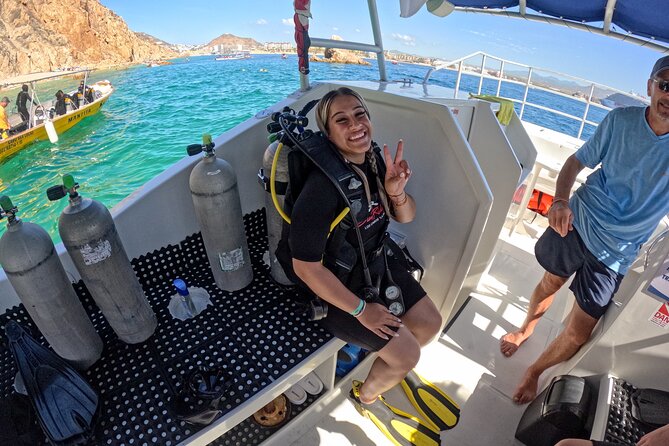
The boat experience is part of the overall value, even though the course focuses on certification. A clean, spacious, well-stocked boat was specifically praised after an outing led by Rogelio and Captain Jaime.
Jaime’s role is worth noting because boat safety is not only about what happens below the surface. At Pelican Rock, nearby boat traffic made careful positioning and awareness important. A capable captain helps the outing feel orderly, especially when a new student is already concentrating on equipment and water skills.
The exact boat route and daily timing are not specified, so you should not assume a particular coastline or marine animal sighting. Conditions can affect the plan, and the experience requires good weather. If poor weather causes cancellation, you will be offered another date or a full refund.
Scubaja supplies the main practical needs: scuba equipment, water, snacks, fresh fruit, cookies, and lunch is also described as part of what the center takes care of during the course. Because lunch is mentioned in the general description but not repeated in the formal inclusion list, confirm the day-by-day meal arrangement when booking if it matters to you.
The meeting point is Sunrider Tours at Blvd Marina S/N, Int Gali Plaza Local No. 41, Centro, Marina, Cabo San Lucas, B.C.S. The activity ends back there. It is near public transportation, which makes the central marina location fairly practical if you are staying in Cabo San Lucas.
What the $555 price really covers
At $555, this is an investment in a qualification, not simply a morning on the water. The price includes the learning materials, instruction, scuba equipment, four sessions, and basic food and drink. You are paying for a structured pathway that can let you use your certification internationally to a maximum depth of 18 meters.
That makes the price easier to justify if you expect to scuba again. The value is weaker if you only want to see underwater life once and have no interest in certification. A simpler introductory session may fit that goal better, though this course offers much more training.
Remember the additional cash charges. The dock fee is $5 per person, and the park access fee is $8 per person. These are modest, but the cash-only rule means you should arrange the money before arriving at the marina.
The small group size also affects value. A maximum of four is a useful feature for beginners because the instructor can watch each student more closely. It may not matter as much if you are already an experienced scuba user, though the course is primarily aimed at certification students.
Who should take this course
I would choose this course if you want a proper first qualification and prefer a calm, guided progression. It is a good match for someone who wants time to practice before open-water work, rather than a quick introduction followed by a return to shore.
It may also suit families with older children who meet the operator’s requirements and are ready for serious instruction. A 13-year-old successfully completed the course with support from Camila, but that does not establish a general minimum age. Ask the provider about age rules before booking for a child.
You should be comfortable committing three days to the process. This is not a flexible drop-in activity. You will need to attend the theory and practical portions, complete the skills, and manage the physical demands of repeated water sessions.
Experienced scuba users may find the certification content basic. The course is designed for beginners, so experienced participants should look for a separate advanced outing rather than expecting this course to match their usual level.
The language offered is English. The operator lists the activity as running Monday through Saturday from 8:30 a.m. to 12:30 p.m. during the stated 2026 operating period, though a three-day course may involve arrangements beyond that general window. Confirm the exact schedule before making other plans.
Booking, cancellation, and small details that matter
Confirmation is normally provided at booking. If you reserve within two days of your chosen date, confirmation may take up to 48 hours and remains subject to availability. That is a good reason not to leave this course until the last minute, especially with a four-person group limit.
You can cancel for a full refund up to 24 hours before the start time. Cancellations or changes made less than 24 hours ahead are not accepted for a refund. The cut-off follows local Cabo San Lucas time.
Good weather is required. If conditions force the operator to cancel, you can choose another date or receive a full refund. I would avoid scheduling an important flight or long transfer immediately after the course, since the sea and the provider’s final timing may affect the plan.
Bring the required cash for the dock and park fees. Also make sure you are ready for a moderate level of physical activity, and mention any concern about comfort or confidence early in the course. The instructors can only help effectively if they know what is troubling you.
Should you book this Cabo San Lucas course?
Book it if you want a real SSI qualification, three days of instruction, a small group, and patient guidance before working in the Sea of Cortez. The strongest reasons are the four-session structure, included equipment and course materials, and the repeated emphasis on instructors who explain skills carefully and help nervous beginners settle in.
Skip it if you only want a quick look underwater, dislike classroom learning, or do not want to commit several days. Also budget the extra $13 in cash and confirm the daily timetable before paying.
For a first certification, this is a practical choice with useful support built in. You will need to put in the work, but you come away with more than a single holiday memory: you gain an entry-level qualification that permits scuba use internationally to 18 meters.
FAQ
How long does the Open Water Diver course take?
The course lasts approximately three days.
How many water sessions are included?
Four sessions are included in total: one in confined water and three in open water.
Where do the open-water sessions take place?
The course includes open-water sessions at different locations, including the Sea of Cortez.
What certification will I receive?
You will receive the SSI Open Water Diver certification, described as the first level of professional scuba training.
How deep can I go with this certification?
The certification allows you to scuba internationally to a maximum depth of 18 meters.
Is scuba equipment included?
Yes. Use of scuba equipment is included in the course price.
Are food and drinks provided?
The included items are snacks such as fresh fruit and cookies, plus bottled water. The course information also says the center takes care of lunch during the course.
What extra fees must I pay?
You must pay a $5 dock fee and an $8 park access fee per person. Both fees are cash only.
Where does the course begin and end?
The course begins at Sunrider Tours, Blvd Marina S/N, Int Gali Plaza Local No. 41, Centro, Marina, Cabo San Lucas. The activity ends back at the meeting point.
Newest Cabo San Lucas trips we have written up
- Cabo San Lucas: Whale Watching Experience on Catamaran★ 4.3 · 5 reviews
- Whale Watch Cabo: Zodiac Whale Adventure – FREE Photos★ 4.8 · 4 reviews
- Whale Watch Cabo: Group Whale Watching Tour – FREE photos★ 5.0 · 3 reviews
- Zipline & Rappel Adventure in Cabo★ 5.0 · 8 reviews
- full day off road motorcycle adventure, Cabo Pulmo or Santiago waterfalls★ 5.0 · 23 reviews
- Snorkeling and whale watching Tour in Cabo★ 5.0 · 9 reviews
- Zipline Adventure from Caduaño★ 4.5 · 11 reviews
- Half-Day San José del Cabo Zip Line and Rappel Adventure★ 5.0 · 9 reviews
Cabo Scuba Diving, compared.
3-Tank Scuba in Marine Reserve and Corridor for Certified Divers
Read our review →
2 Tank Dive – Certified Divers (Santa Maria Bay & Chileno Bay)
Read our review →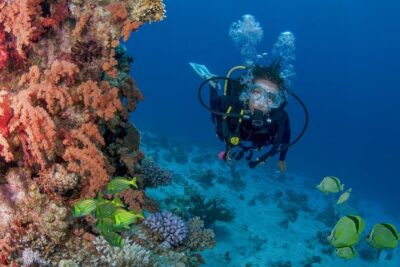
Learn to Scuba Dive in Cabo San Lucas with PADI
Read our review →
2-Tank Scuba in Marine Reserve and Corridor for Certified Divers
Read our review →Browse the lists this tour appears in